
Just want a list of the cheapest organic foods to work into your shopping list? I’ve complied a list of the most inexpensive organic groceries to help you at the grocery store.
This is the first post in a series of posts I’m planning on how to shop, where to shop and how to make organic swaps within a budget. Be sure to subscribe for future updates.
When I first started trying to eat more organic foods, I’ll be honest—it felt overwhelming. I’d walk through the organic aisle, sigh, and think, “Is this really worth it?”
Hint* -scroll to the bottom for a comprehensive list.
But here’s what I’ve learned: eating organic doesn’t have to break the bank. Over time, I discovered a handful of affordable organic staples that I now rely on week after week.
They make it easier to feed my family nourishing food without stressing about the grocery bill.
If you’ve ever stood in the grocery store holding two bunches of bananas—one organic, one not—trying to do the mental math of whether it’s worth the 40-cent difference, this post is for you.
I’m sharing my go-to list of the most affordable organic foods. Plus I’ve included some tips I’ve picked up that make organic shopping actually doable on a family budget.
Why I Prioritize Organic (But Only When It Makes Sense)
Before we jump into the list, let me say: I’m not all-or-nothing about organic. I prioritize it for foods we eat often or those that are part of the Dirty Dozen—produce most likely to carry pesticide residue. This list comes from the Environmental Working Group.
But I’ve also learned to chill out. I’m not going to panic over every conventional item that ends up in my cart, and I’m definitely not going into debt trying to eat “perfectly.” Progress over perfection, right?
We usually buy a quarter beef every year from a local farmer. It isn’t organic, but when I drive by the farm, I see the cows out in the large pasture and that’s good enough for us right now.
Organic meats can get expensive as well as some dairy products. So we pick and choose those thing for us.
Over the years, I’ve found a sweet spot—focusing on certain affordable organic staples that give me peace of mind without draining my wallet.
If, like me, you are curious about which organic foods are the cheapest, here they are.
I don’t *always buy these organic products and organic food items. Like I said, I do prioritize the dirty dozen and clean 15. Some of the clean 15 appear on the list below. Do what makes the most sense for you and your grocery list!
Scroll to the bottom for an easy to use spreadsheet of the cheapest organic foods list.
Fruits & Veggies That Are Organic and Affordable
1. Bananas
Organic bananas are one of the cheapest organic items you can buy—often just 10–20 cents more per pound than conventional.
2. Carrots
A 2-pound bag of organic carrots? Usually just a dollar more than the non-organic version. I roast them, shred them into muffins, or hand them to my toddler with hummus.
Carrots are a staple in our house. Being a root vegetable, it lasts a long time in our fridge. Which helps cut down on waste. Being a clean 15 veggie, I don’t always buy this organic.
3. Potatoes
Especially in bulk, organic potatoes (russet, yellow, red) are a good option and super budget-friendly. they keep a long time, which cuts down on waste.
I like to batch-roast them for an easy way to make sides throughout the week.
4. Apples (in bags)
Loose organic apples can be pricey, but if you buy the pre-bagged kind (usually smaller), the price per pound is actually quite reasonable.
These are perfect for little hands, lunchboxes, or applesauce-making. Keep an eye on different varieties. Some varieties are $2-$3 more per bag.
5. Spinach (frozen)
Organic fresh spinach can be hit-or-miss in price, but frozen organic spinach is gold. I keep bags in the freezer to toss into soups, pasta, eggs or smoothies. It’s cheap, convenient, and a great way to sneak in those greens.
Protein Staples That Fit a Budget
6. Canned Beans (or Dry)
Organic canned beans—especially store brands like Simple Truth, 365, or Good & Gather—are a couple bucks max and stretch across multiple meals.
Dry beans are even cheaper, especially if you batch cook and freeze.
7. Organic Eggs
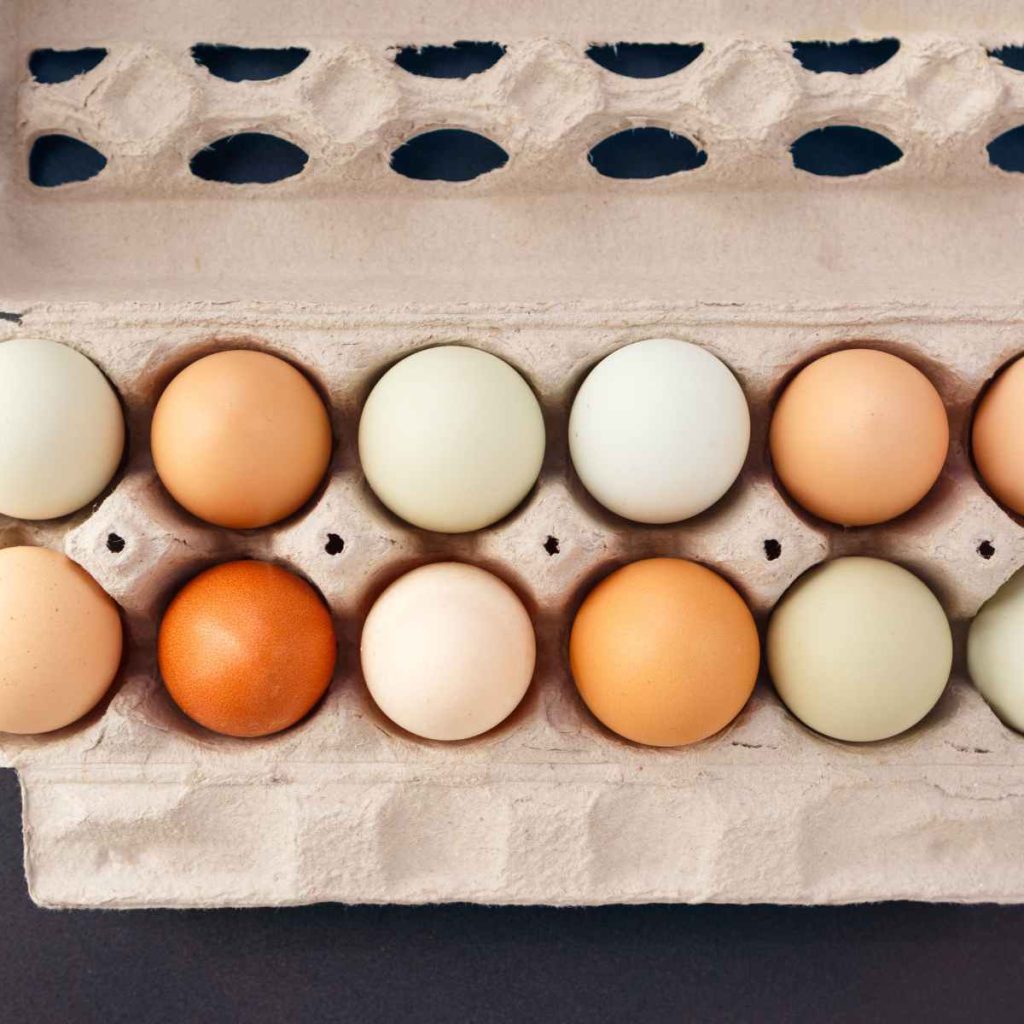
Okay, organic eggs used to be a luxury—but lately, I’ve found them at Walmart, and Aldi for better prices. Since we eat eggs almost daily, I prioritize organic when I can.
8. Whole Organic Chicken
Instead of buying pricey chicken breasts, I look for whole organic chickens. They cost less per pound, feed us for multiple meals (plus I make soup with the bones!).
You can also check out your local farmers markets for more affordable meat.
Affordable Organic Grains
9. Oats
Rolled oats or steel-cut oats are one of the cheapest organic pantry staples out there. I get a big bag for under $7 and use it for oatmeal, smoothies, baking, and energy bites.
10. Brown or White Rice (in bulk)
Buying organic rice in bulk is way cheaper per serving than boxed rice blends. I store it in a big glass jar.
11. Whole Wheat or Einkorn Flour
While some organic flours can be pricey, basic whole wheat or store-brand organic flour is more affordable and great for muffins, pancakes, and baking with kids.
Dairy & Fridge Staples
12. Organic Milk
We don’t go through tons of milk, so paying a little more for organic feels doable. If your family drinks a lot, check prices at Costco or consider buying half-organic (just for the kids).
13. Yogurt (large tubs)
Instead of buying small cups, I get the big 32oz tub of organic plain yogurt and add honey, fruit, or nut butter. It’s cheaper and healthier than flavored cups.
14. Butter
Organic butter can be pricey, but I stock up when it’s on sale and freeze it. A little goes a long way in cooking and baking.
Pantry & Freezer Staples
15. Canned Tomatoes
I use these for soups, sauces, and stews. Organic versions from store brands or Costco are surprisingly affordable and often come in BPA-free cans.
16. Frozen Berries
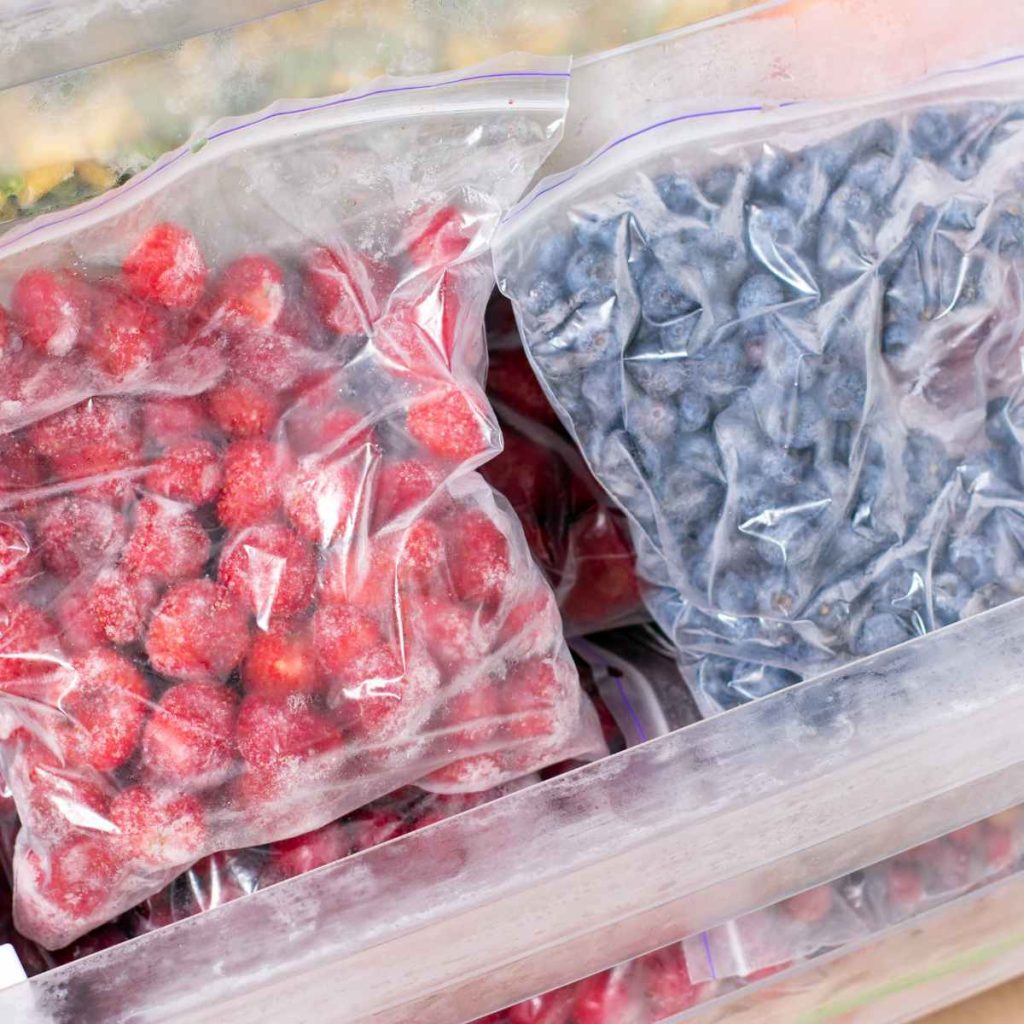
Fresh organic berries are a splurge, but frozen ones? Totally doable. I use them in smoothies, overnight oats, and baked oatmeal.
17. Peanut or Almond Butter (in bulk)
Aldi, Trader Joe’s, and Costco all carry organic nut butters at great prices. Check the ingredients—just nuts and salt is all you need.
Tips for Saving Even More
- Buy store brands: Target’s Good & Gather, Kroger’s Simple Truth, and Whole Foods’ 365 from Thrive Market are a great place to price check items.
- Shop sales and freeze: When something we love is on sale at our local store (like organic berries or chicken), I stock up.
- Use the Dirty Dozen & Clean Fifteen: Focus your organic dollars where it counts most.
- Mix and match: I buy some organic, some conventional produce and conventional foods. It’s not all-or-nothing.
- Check out your local farmers market: This can be the best place to get connected with local farmers to get better quality meat. Even if it’s not organic, buying beef or chickens/eggs from a local small farm is better than nothing.
- Cut down on food waste: Cutting down on food waste is a huge budget saver. This is something I’ve had to work on myself. I make soups more often now if I have produce looking limp in the fridge, just so I don’t have to throw it out.
The Bottom Line
You don’t have to choose between feeding your family well and staying on budget. Don’t get caught up on what you see on social media, thinking eating an organic diet is an all-or-nothing deal—that’s a stressful way to look at things.
Rework your budget and see if there are places to allocate a little extra money to your grocery bill. Or reevaluate what you’re already buying. Be intentional with your grocery list and shopping list. Only buy what you have a plan for.
I shop for more seasonal produce, buy local produce and shop at the farmer’s market when I can. The organic section of our local grocery stores aren’t always the best, but it’s something!
There’s a middle ground where real-life motherhood and organic living can meet. It’s in the bag of carrots, the tub of oats, the humble can of beans. It’s not flashy, but it’s nourishing, doable, and enough.
So if you’re trying to make good food choices for your family (even with a tight budget) but feel overwhelmed or discouraged by the cost of organic food, take a deep breath.
Start with one or two swaps. Use this “Cheapest Organic Foods” list. Do what you can, with what you have, in this season.
The Cheapest Organic Foods
Dry Goods & Organic Pantry Items
These are shelf-stable, versatile, and often sold in bulk, making them very cost-effective.
| Food | Why It’s Affordable |
| Oats (rolled or steel-cut) | Great for breakfast, baking, and snacks; organic versions are often only slightly more expensive. |
| Brown rice | Staple grain with long shelf life and low per-serving cost. |
| Dry beans & lentils | Packed with protein and fiber; buying dry instead of canned saves money. |
| Pasta | Organic store brands are frequently budget-friendly. |
| Popcorn kernels | Inexpensive, whole grain snack when bought in bulk. |
| Flour (especially whole wheat) | Store-brand organic flour is often competitively priced. |
Frozen Fruits & Vegetables
Frozen organic crops are typically harvested at peak ripeness and are often cheaper than fresh.
| Food | Why It’s Affordable |
| Frozen spinach | Extremely affordable and nutrient-dense. |
| Frozen peas & carrots | Great for adding to meals on a budget. |
| Frozen berries (especially mixed blends) | Cheaper than fresh organic berries and perfect for smoothies or oatmeal. |
| Frozen broccoli or green beans | Healthy sides for just a few cents per serving. |
Produce (Especially In-Season or Long-Lasting)
Some organic produce is consistently affordable, particularly when in season or if it stores well.
| Food | Why It’s Affordable |
| Carrots | Available year-round and store well. |
| Potatoes & sweet potatoes | Hearty, filling, and budget-friendly. |
| Onions & garlic | Long shelf life and flavor-boosting staples. |
| Cabbage | High in nutrients and very cheap per pound. |
| Bananas | One of the least expensive organic fruits. |
| Apples (especially in season) | Affordable, especially in bags or bulk. |
| Zucchini or squash (in season) | Plentiful and budget-friendly during harvest months. |
Nuts, Seeds & Snacks
Buying in bulk makes these more affordable per serving.
| Food | Why It’s Affordable |
| Sunflower seeds | Cheaper than many other seeds and still nutrient-rich. |
| Peanut butter (store-brand organic) | Often close in price to conventional. |
| Popcorn kernels | Economical snack with lots of servings per bag. |
| Trail mix (DIY) | Making your own from bulk ingredients is cost-effective. |
Protein
Though organic meat is more expensive, these protein sources can be more affordable.
| Food | Why It’s Affordable |
| Organic eggs | One of the cheapest animal protein sources. |
| Canned beans or lentils | Still affordable if dry isn’t practical. |
| Tofu or tempeh | Inexpensive, high-protein plant-based options. |
| Ground meats (beef, turkey, chicken) | Cheaper than cuts and can be stretched in meals. |
Other Budget-Friendly Organic Staples
These versatile ingredients are useful in a variety of meals and often budget-friendly.
| Food | Why It’s Affordable |
| Canned tomatoes | Base for many meals—soups, sauces, and stews. |
| Tomato paste or sauce | Concentrated flavor, great shelf life. |
| Coconut milk | Great for curries and baked goods. |
| Applesauce | Especially when bought in large jars. |
| Soy sauce, vinegar, mustard | Store-brand versions are affordable flavor boosters. |
Pin it for later- The Cheapest Organic Foods
Leave a Reply